

Yuki
Co-founding a Web3 UX studio

Why we built it
When I left HubSpot, the Web3 space was growing fast but the standard of UX within it was, to put it plainly, poor. Complex products with confusing interfaces. Brands that felt either generic or incoherent. Very little evidence that anyone was thinking seriously about the people who actually needed to use this stuff.
That was the gap.
I co-founded Yuki with Rob, Cillian, and Keith. Between the four of us we had complementary skills, a shared frustration with the state of design in the space, and a conviction that there was real work to be done for the right clients. We were always focused on Web3. That wasn’t a pivot we made later, it was the founding thesis from day one.
Starknet became our first major client and working with them set the tone for everything that followed: deeply embedded, technically literate, and covering the full spectrum from brand to product to development rather than just delivering mockups and stepping back.
How we operated
From the beginning, I wanted Yuki to operate differently from a typical design agency. We partnered with founders at early stages, moved quickly, and stayed involved through to delivery. Most of our clients needed UX, brand, and development to move together; separating them would have slowed everything down and broken the coherence of the work.
What made the difference, and what shows up consistently in client feedback, was that we understood the space at a technical level. Not surface-level familiarity — enough to make genuinely better design decisions. Working in Web3 means grappling with concepts like decentralisation, on-chain computation, token mechanics, and governance that have no direct equivalents elsewhere. Designers who don’t understand those things make mistakes that are hard to spot but easy to feel. We avoided most of them.
I was involved in every engagement — not just in a directional capacity, but at the level of UX strategy, visual direction, and client relationship. In a studio of this size there’s no clean line between leadership and execution. I did both throughout.
Selected work
DappNode
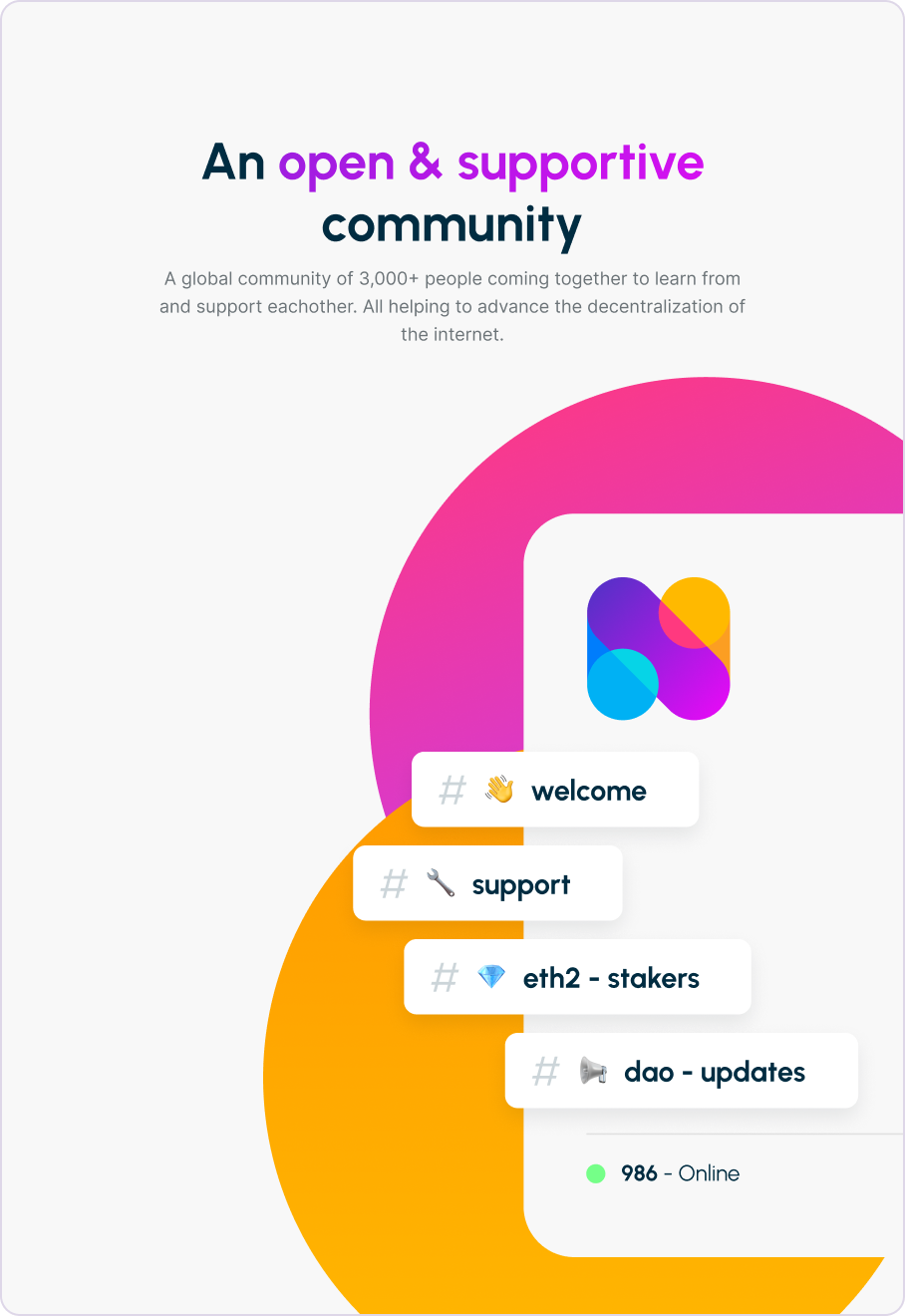
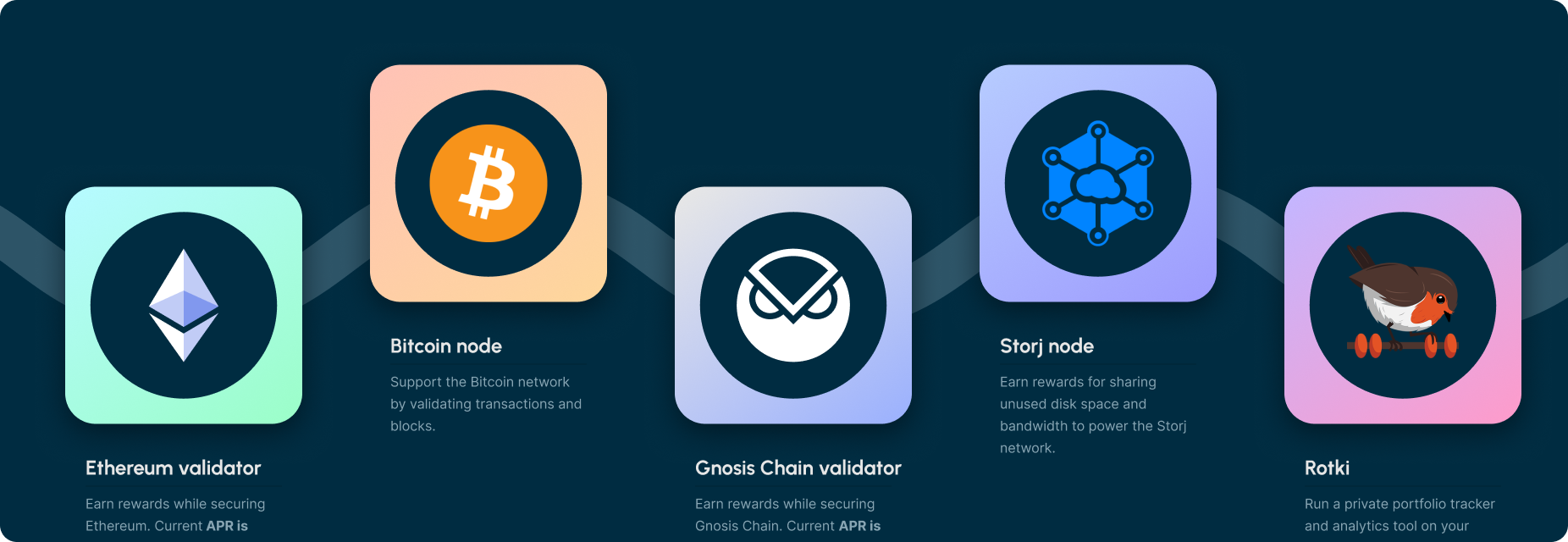
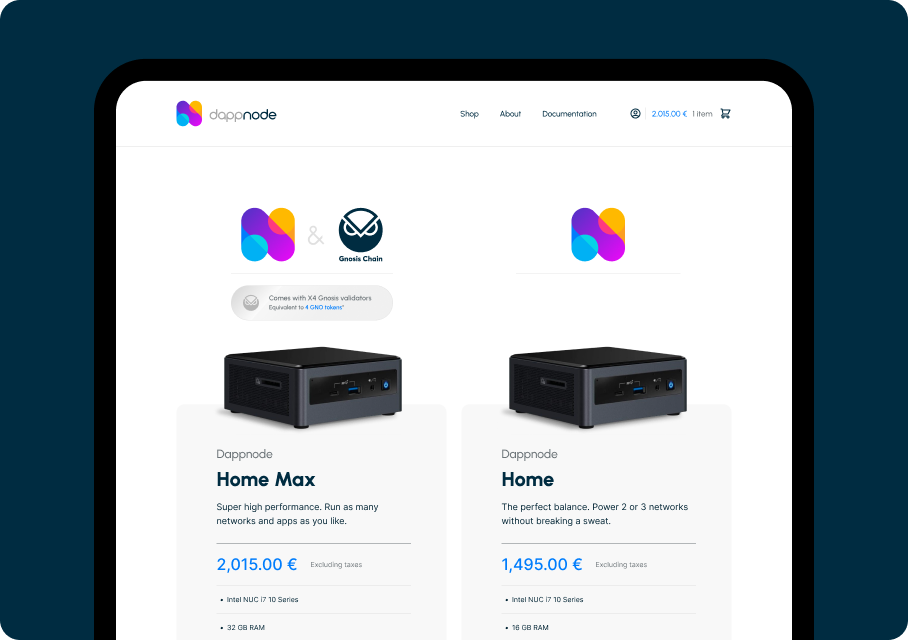
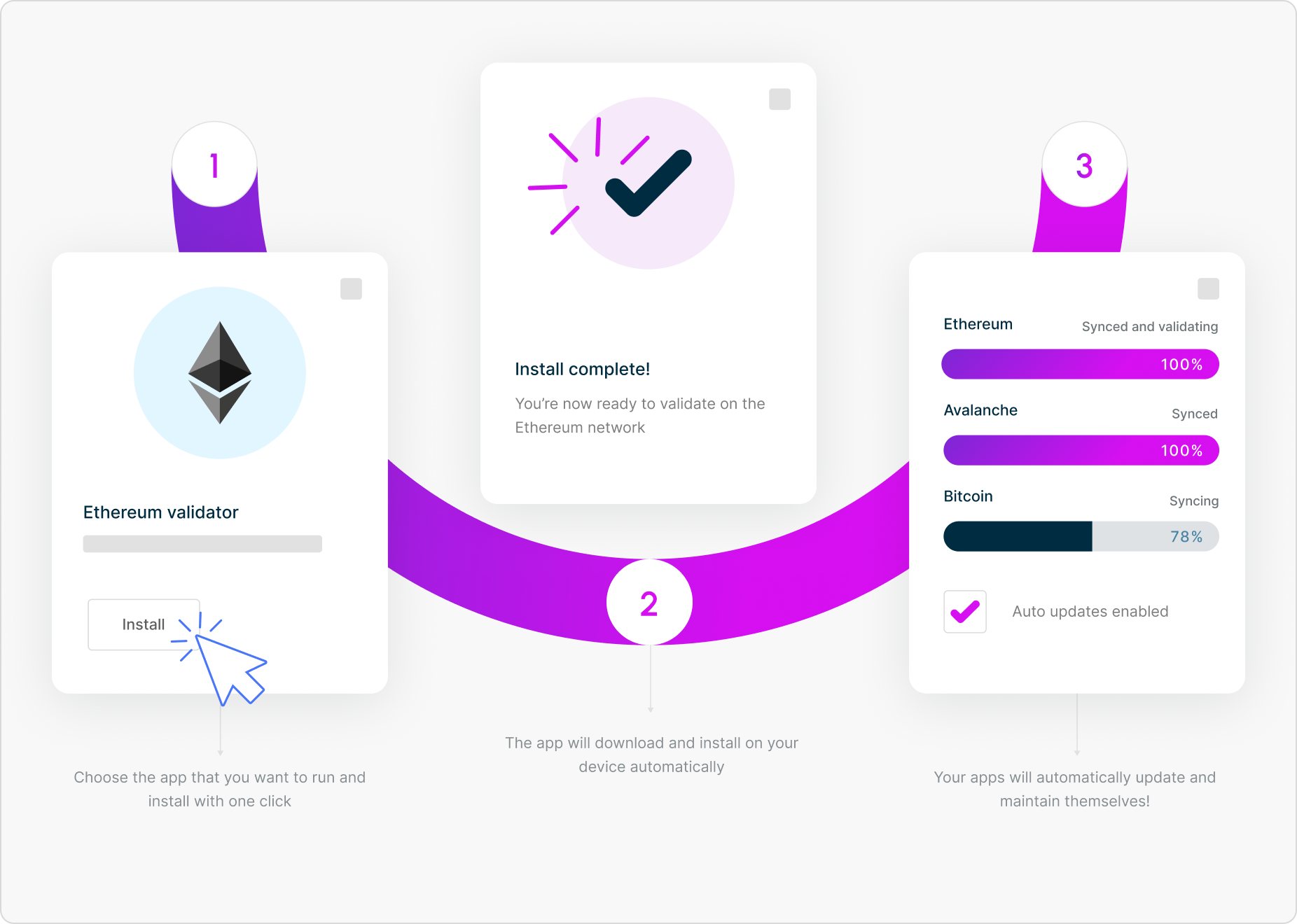
A full brand, website, and e-commerce redesign for a self-hosting and decentralised infrastructure company with a strong product and a communication problem. The existing brand and site spoke almost entirely to highly technical users; new visitors struggled to understand what to buy and why.
I led the brand and visual direction across the full engagement: identity, site design and build, motion assets, and a Shopify commerce experience rebuilt around real user decision paths rather than a flat product catalogue.
“It’s rare to find a team like Yuki where UX designers genuinely understand the Ethereum ethos. Yuki was pivotal in bringing our new brand to life.”
— Eduardo Antuña, Co-founder and Project Lead at DappNode

Spectra
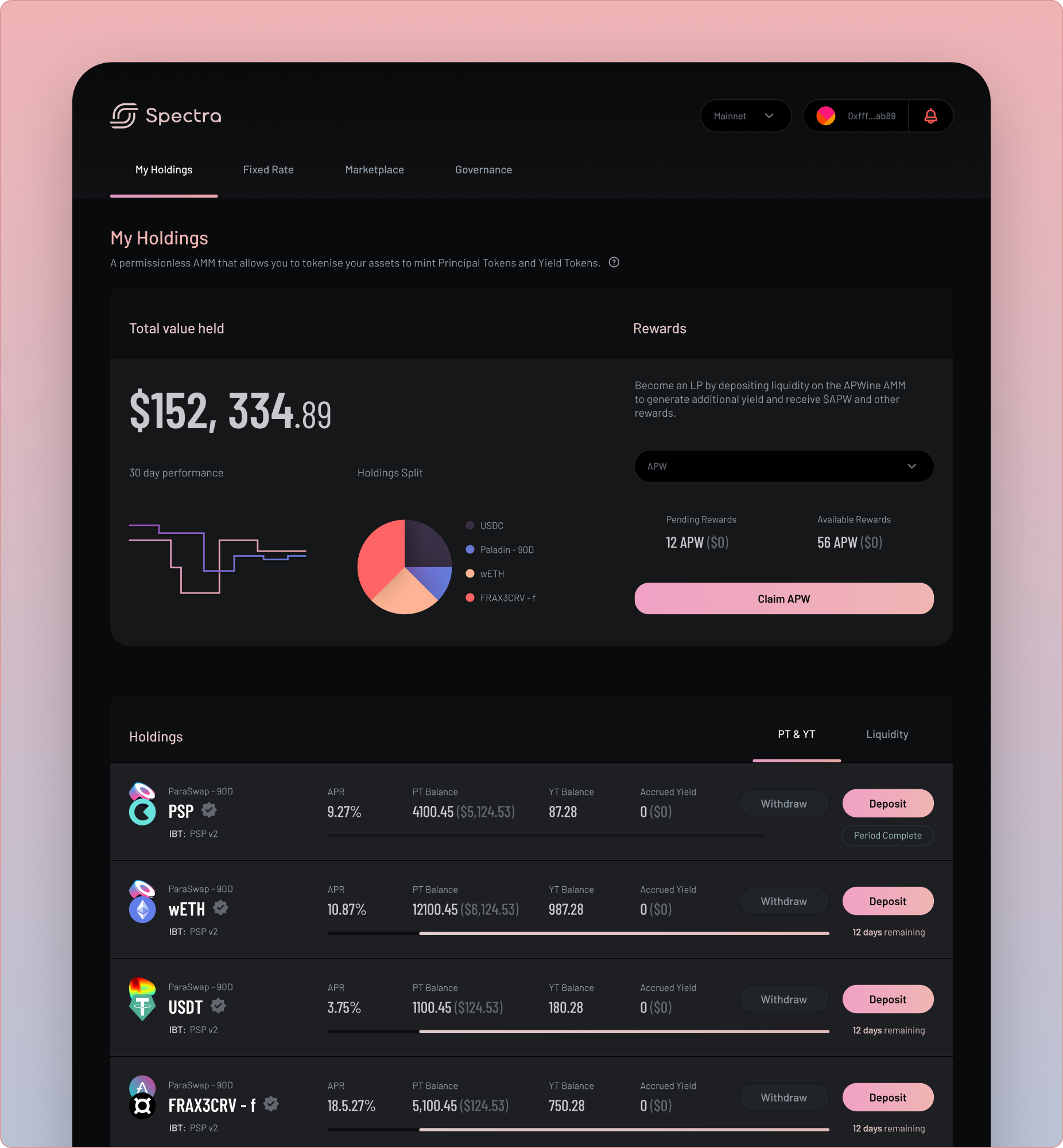
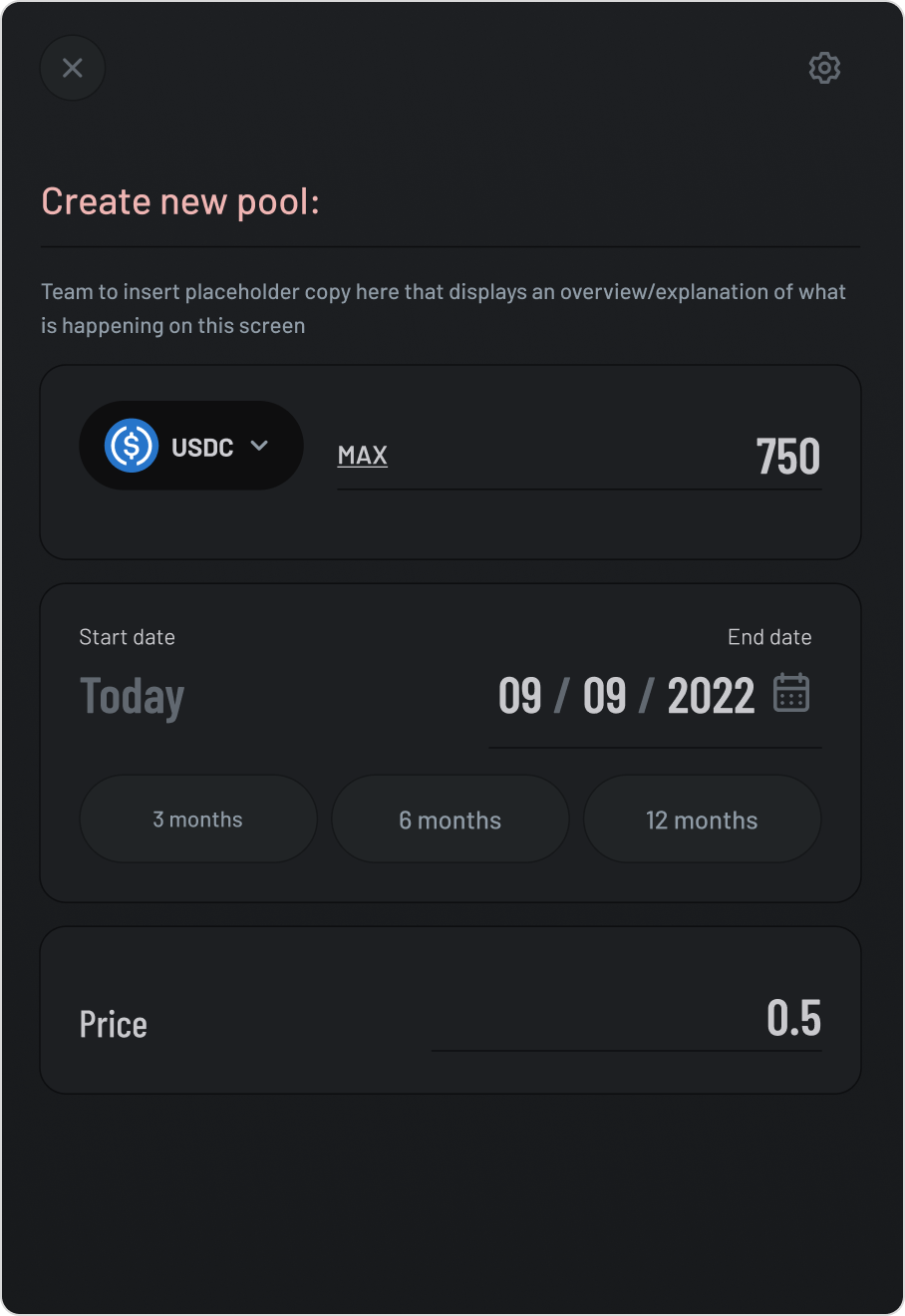
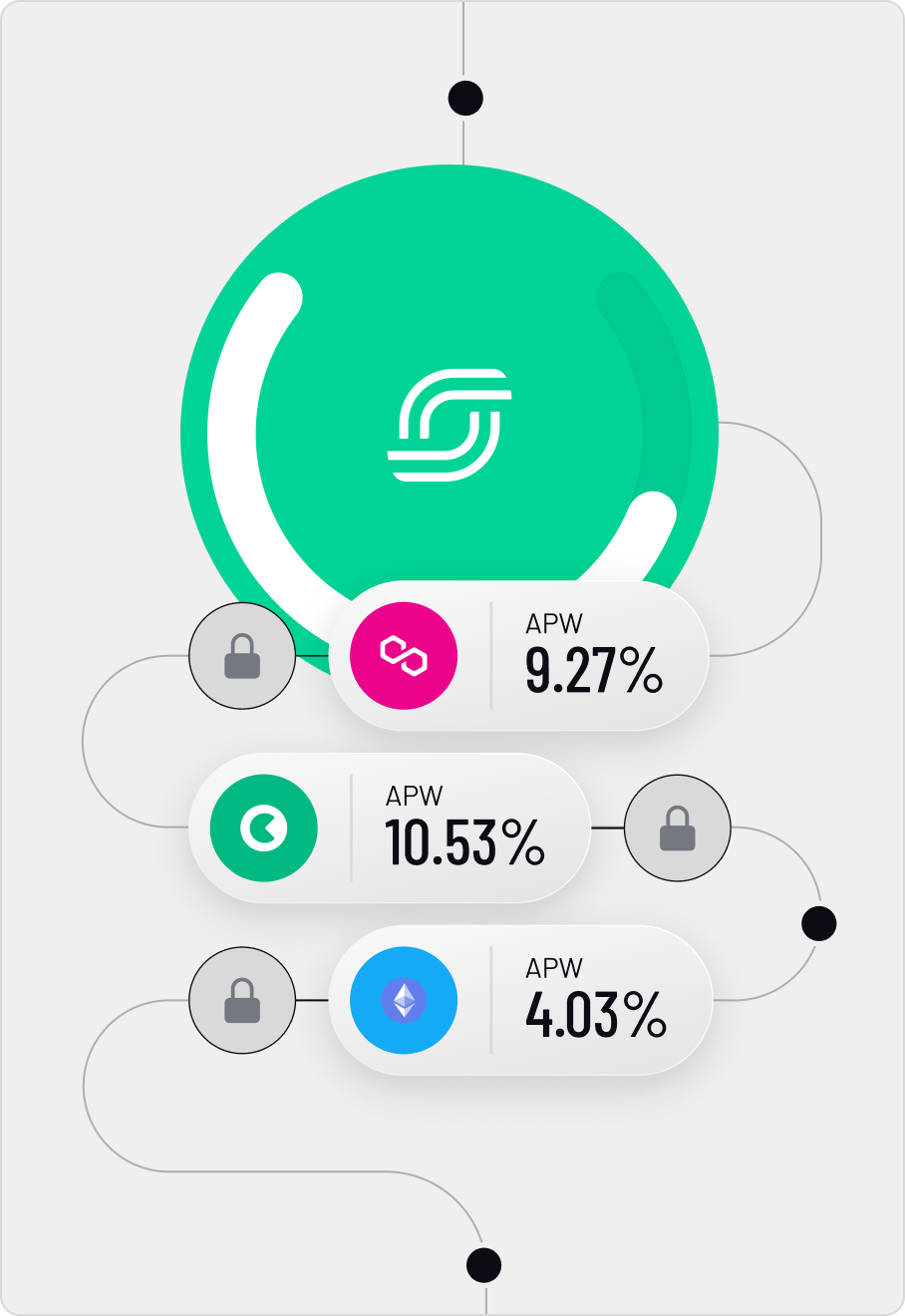
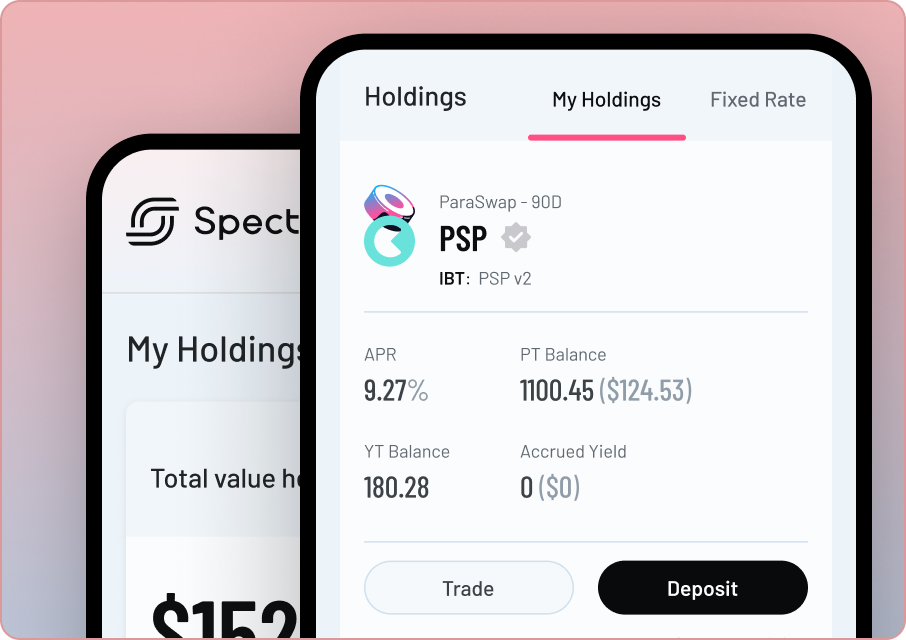
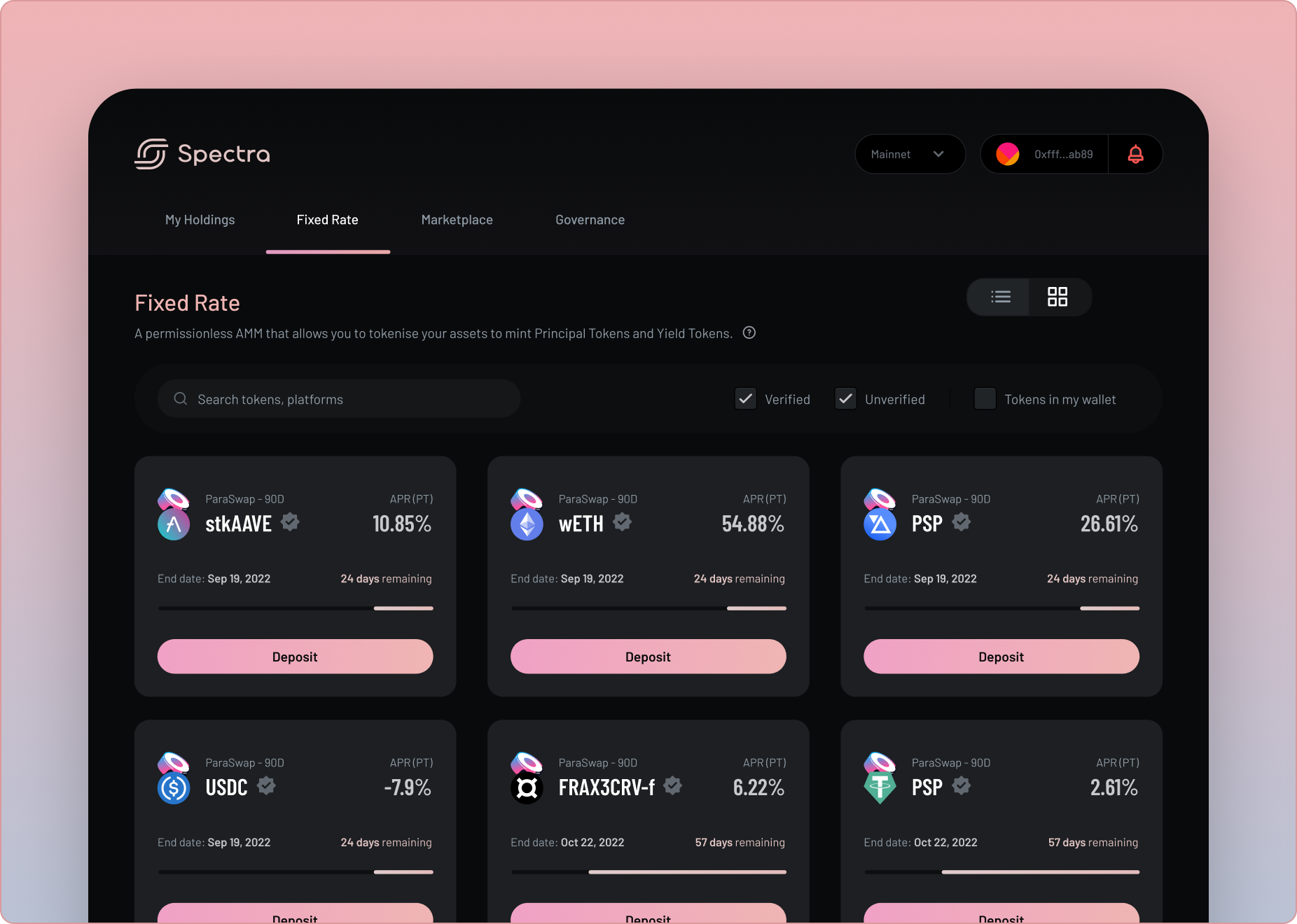
A full product and brand redesign for a DeFi interest rate derivatives protocol, then known as APWine. The product was powerful but cognitively demanding: key information was difficult to find quickly, interaction patterns were inconsistent, and visual hierarchy didn’t reflect the importance of what was being displayed.
Alongside the UX overhaul, we led the full rebrand from APWine to Spectra: naming, logo, identity system, and brand guidelines.
“The Yuki team transformed our product into a sleeker, more user-friendly experience. Their rebranding expertise also gave us a name and identity that perfectly matches our offering.”
— Ulysse Ramage, Co-founder at Spectra
Starknet
Our longest and most extensive engagement. Across four interconnected projects — brand and website redesign, educational video series, GoL2 game, and governance app — I led the design and creative direction for work that helped reposition Starknet from a technically impressive but largely inaccessible protocol to one with a coherent visual identity, accessible education, and practical community participation tools. 500,000+ GoL2 generations were minted through active community experimentation.
What it took to run it
Running a studio means doing everything. Client work was the priority, but alongside it I was hiring, managing the team, building and maintaining client relationships, setting creative direction, and keeping quality consistent across multiple projects in parallel.
The work that ends up in a portfolio is the visible part. The less visible part is building an environment where that quality of work is consistently possible — and sustaining it as the team grows.
What I’m most proud of from that chapter is the focus we maintained. We didn’t try to compete on volume or spread across every sector. We picked a space, understood it properly, and stayed close enough to the work to keep the output sharp. That combination — technical literacy, genuine craft, and a small team that moved quickly — is what built the reputation.